Small Circles, Big Stories: Collectible Coins, Challenge Coins, and Sobriety Coins
Coins are among the most ordinary objects in the world—until they are not. A coin can sit unnoticed in a drawer for years, then suddenly become a family heirloom, a unit tradition, or a lifeline on a difficult day. Collectible coins, challenge coins, and sobriety coins may look similar at first glance, but each carries a different kind of value. One speaks of history and rarity, one of loyalty and identity, and one of courage and change. Together, they show how a small circle of metal can hold an entire story.
Collectible Coins: History You Can Hold
For numismatists, collectible coins are windows into economies, empires, and artistic movements. A single coin may reveal the portrait of a long-gone ruler, the symbols of a young nation, or the craftsmanship of an era. Collectors often focus on rarity, condition, mintage, and provenance, but the deeper appeal is discovery. The hunt for a key date, an error coin, or a flawless proof set turns spare change into a lifelong puzzle.
Condition matters enormously in coin collecting. Coins graded as mint state can command far higher prices than worn examples, and even tiny differences in surface quality can change a coin’s place in a collection. Yet not every collector chases perfection. Some build themed collections around historical periods, wildlife, shipwrecks, or commemorative issues. Others inherit a few coins and begin researching the stories behind them. In this world, patience is part of the pleasure: the right coin may appear at a local show, an estate sale, or a dealer’s tray after years of searching.
Challenge Coins: A Private Language of Belonging
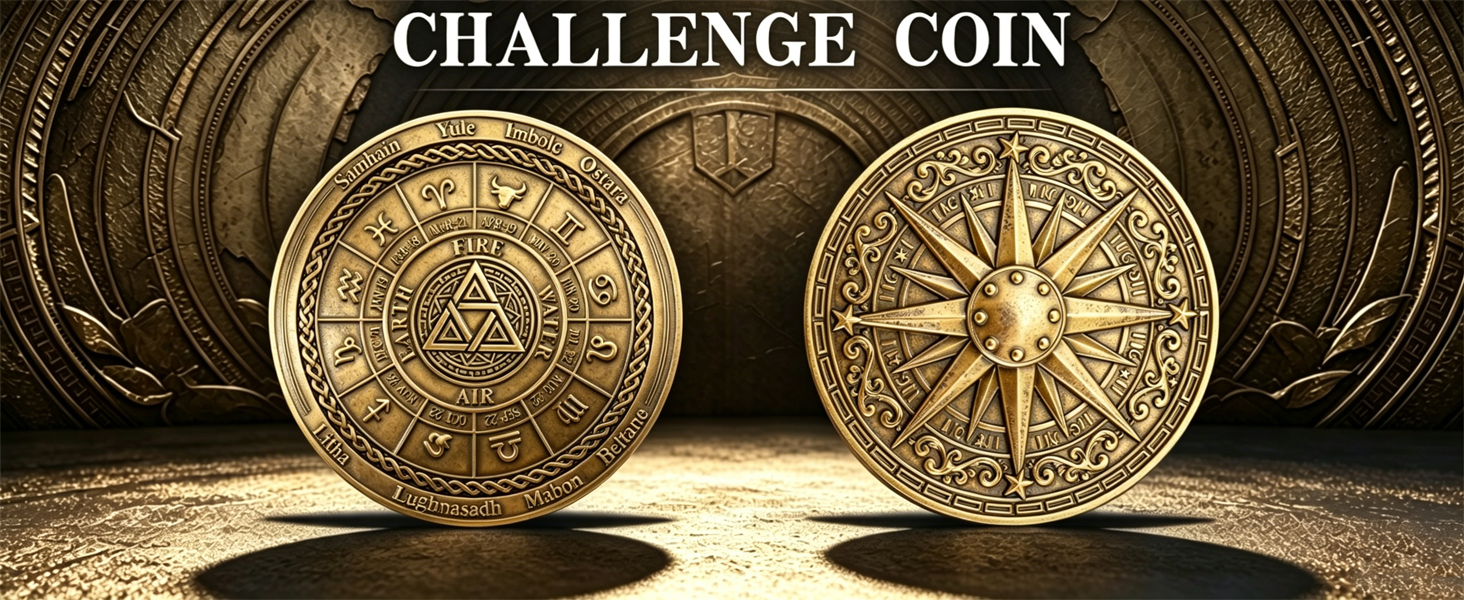
Challenge coins carry a different kind of weight. Often associated with military units, law enforcement, fire departments, and close-knit teams, these coins are less about market value and more about membership, service, and memory. A challenge coin is frequently given as a token of recognition—sometimes for a successful mission, sometimes for a promotion, and sometimes simply for being part of the group when it mattered most.
“A challenge coin is not just carried; it is earned, exchanged, and remembered.”
The tradition of the “coin check” adds a layer of playful camaraderie. In some circles, a member who cannot produce their challenge coin when challenged may be expected to buy a round of drinks or face another friendly penalty. The rule varies by unit and culture, but the purpose is consistent: the coin becomes a physical reminder that the bearer belongs. Custom challenge coins often feature unit crests, mottos, dates, deployment maps, or symbols that mean little to outsiders and everything to insiders.
What Makes a Challenge Coin Memorable?
- Symbolism: A strong design uses clear emblems, meaningful colors, and a motto that feels earned rather than decorative.
- Craftsmanship: Raised edges, enamel fills, engraving, and weight all affect how a coin feels in the hand.
- Story: The best coins are attached to a person, a place, or a moment—making them difficult to replace and easy to treasure.
Sobriety Coins: Milestones Made Tangible
Sobriety coins—sometimes called recovery tokens or sobriety medallions—serve a quieter but equally powerful purpose. Often associated with twelve-step programs, these coins mark days, months, and years of sobriety. They are not awards for perfection; they are reminders of commitment. For many people in recovery, carrying a coin provides a tangible anchor when cravings, stress, or old habits press in.
A sobriety coin may display a serenity prayer, a recovery slogan, a milestone number, or a personal date. Some are simple and traditional; others are customized with names, colors, or symbols that reflect an individual journey. Recovery is rarely a straight line, and a coin can honor the courage it takes to begin again, ask for help, and keep going. Given as a gift, a sobriety coin can say what words sometimes cannot: I see your effort. I believe in your future. Keep going.
Where Collecting and Meaning Meet
These three coin worlds overlap more than people expect. A collector may treasure a challenge coin because of the unit it represents, not because of its grade. A family may display a sobriety coin beside military medals and antique currency, treating each as part of a larger story. Custom coins can also bridge gaps: a recovery group might order challenge-style tokens, a unit might create commemorative coins for a reunion, and a collector might commission a piece that honors a personal milestone.
Display matters, too. Shadow boxes, velvet trays, coin capsules, and albums can protect surfaces while keeping stories visible. The goal is not to make every coin look identical; it is to let each piece breathe. A worn coin with a scratched face may be worth less to a dealer and more to a family. A perfect proof coin may be beautiful, but a simple sobriety token can be priceless.
Choosing and Caring for Coins
- Know the purpose. Are you collecting for history, investing, gifting, or preserving a personal milestone? The answer shapes every choice.
- Protect the surface. Handle collectible coins by the edges, store them in acid-free holders, and avoid harsh cleaning that can destroy value.
- Document the story. Write down names, dates, units, events, and personal meanings. A coin without context is interesting; a coin with context is unforgettable.
Whether you are chasing a rare date, trading challenge coins with old friends, or choosing a sobriety coin for someone beginning a new chapter, remember that the real value is rarely stamped on the face. It lives in the history, the belonging, and the courage the coin represents. Collectible coins preserve the past, challenge coins honor community, and sobriety coins celebrate the future—one hard-won day at a time.