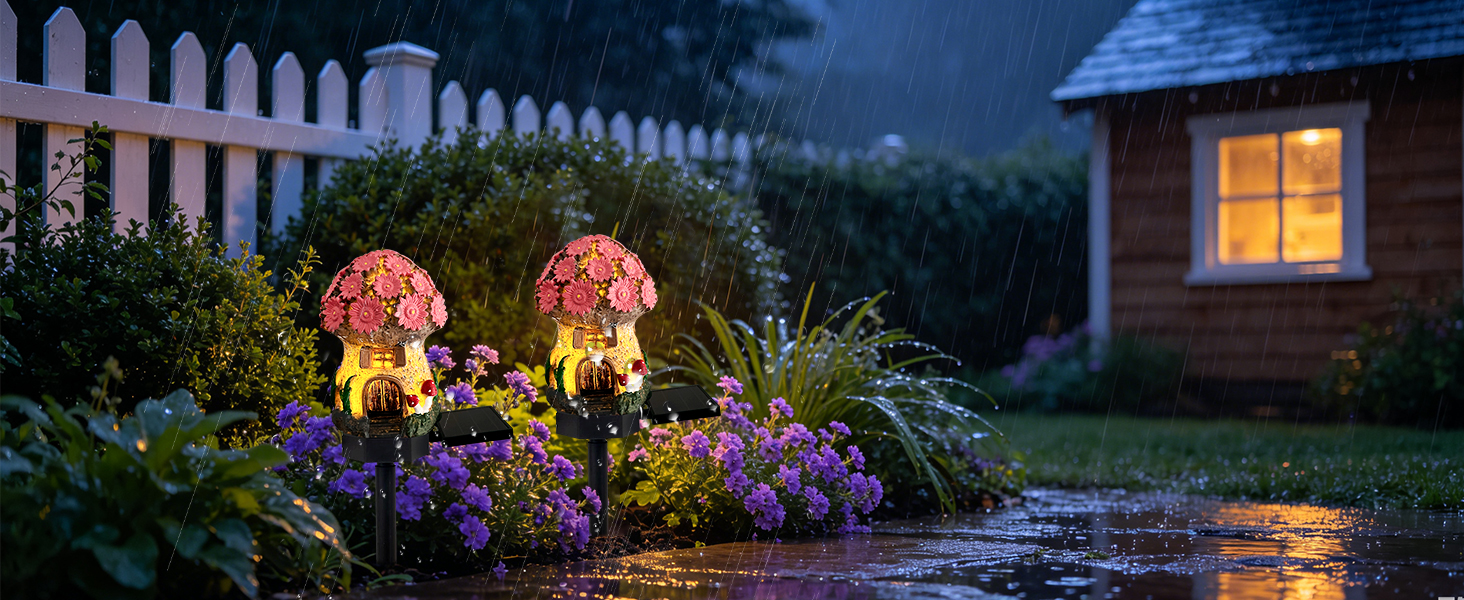
Solar Pathway Lights: A Bright Way to Elevate Your Outdoor Space
A well-lit pathway does more than help guests find the front door. It adds warmth, improves safety, and gives your landscape a polished finish. Solar pathway lights are one of the easiest ways to achieve that glow without digging trenches, hiring an electrician, or adding to your energy bill. With better panels, longer-lasting batteries, and more refined designs, today’s solar lights are a practical upgrade for almost any yard.
Why Solar Pathway Lights Deserve a Spot in Your Yard
The biggest advantage is independence. Solar pathway lights charge in the sun and switch on at dusk, so they keep paths visible even when no one remembers to turn them on. They are ideal for walkways, garden borders, driveways, and patios where running electricity would be costly or inconvenient. Modern models also offer softer, warmer light than the harsh blue-white glow of early solar fixtures, making outdoor spaces feel more inviting after sunset.
- No wiring, no outlet, and no electrician required
- Low running cost after the initial purchase
- Easy to move when you redesign a bed or path
How They Work — and Why That Matters
Each light typically contains a small solar panel, a rechargeable battery, an LED bulb, and a dusk-to-dawn sensor. During the day, the panel converts sunlight into electricity and stores it in the battery. At night, the sensor activates the LED. The quality of these components matters far more than the number of lights in the box. A larger panel charges faster on cloudy days, a better battery holds power longer, and a well-designed LED produces useful light without wasting energy.
Choosing the Right Solar Pathway Lights
Before buying, measure the path and decide what you want the light to do. Broad, low-glare beams work well for safety and ambience, while focused spotlights can highlight plants or architectural details. Warm white light—around 2700K to 3000K—usually looks best in residential landscapes. Cool white can work in modern settings, but it tends to feel clinical near natural stone and greenery.
- Height: Shorter lights suit garden beds; taller stakes work beside walkways.
- Battery: Lithium-ion or LiFePO4 batteries generally outperform older NiMH options.
- Material: Metal housings resist fading and cracking better than thin plastic.
Design Ideas That Look Anything but Ordinary
Solar pathway lights do not have to line a path like tiny soldiers. Stagger them in loose pairs along one side of a walkway for a relaxed, natural rhythm. Use a few larger lights near the driveway and smaller ones near planting beds to create depth. If your goal is drama, place lights behind low shrubs so the foliage catches a soft silhouette. For a clean modern look, choose square fixtures and space them evenly; for a cottage garden, mix heights and finishes.
The best outdoor lighting is the kind you notice for the feeling it creates, not for the fixtures themselves.
Keep safety in mind, too. Light the edges of steps, curves, and uneven ground rather than only the straight sections. A little planning prevents dark gaps where guests might misstep.
Installation Tips for a Clean, Confident Result
- Place lights where they receive direct sun for most of the day.
- Space them six to eight feet apart for walkways; adjust for brightness and style.
- Clear grass and debris around the panel so charging stays efficient.
- Check the sensor after installation and confirm the light turns off during daylight.
Avoid placing solar lights under heavy tree cover or deep porch shadows. If a spot is shady but needs light, consider a model with a separate solar panel that can be positioned in full sun.
Maintenance and Longevity
Solar pathway lights are low-maintenance, not no-maintenance. Wipe the panels every few weeks during dry, dusty periods, and trim plants that begin to shade them. In winter, shorter days may reduce run time, which is normal. Batteries typically last one to three years depending on quality and climate; replacing them is often cheaper than buying new fixtures. Before storing or replacing a light, clean the contacts and check the battery compartment for moisture.
If a light stops working, test it in direct sun for a full day before assuming it is broken. Sometimes the fix is as simple as a dirty panel, a loose battery, or a switch left in the off position.
The Bottom Line
Solar pathway lights offer a smart balance of beauty, safety, and convenience. Choose well-made fixtures, place them where the sun can do its job, and arrange them with a little intention rather than perfect symmetry. The result is a landscape that feels welcoming at night, uses less energy, and looks beautifully lit without a single buried wire.