Bird Feeders & Outdoor Accessories: Create a Backyard Haven That Birds Actually Love
Watching birds gather around a feeder is one of those simple outdoor pleasures that never gets old. A flash of yellow, a quick flutter of wings, a cheerful morning chorus—it all happens just outside the window. But a successful backyard bird station is not about hanging one feeder and hoping for the best. It is about choosing the right bird feeders, adding thoughtful outdoor accessories, and creating a space that feels safe, useful, and inviting to the birds that visit.
Whether you are setting up your first feeder or refreshing an established backyard habitat, the goal is the same: make feeding easy for birds and enjoyable for you.
Start With the Right Feeder, Not Just the Prettiest One
Bird feeders come in many shapes, and each design attracts a different mix of visitors. A tube feeder filled with sunflower seed may bring chickadees, finches, and nuthatches. A platform feeder offers a wide landing area for cardinals, jays, and ground-feeding birds. Suet cages are excellent in cooler months, when woodpeckers and other insect-eaters need extra energy. Hummingbird feeders add a splash of motion in summer, while nyjer feeders appeal to small finches with delicate beaks.
The best approach is to offer more than one feeder type, but not so many that maintenance becomes overwhelming. Start with two or three styles, place them at different heights, and observe which birds arrive.
- Tube feeders: tidy, weather-resistant, and good for small seeds.
- Platform feeders: easy for larger birds and ground-feeding species.
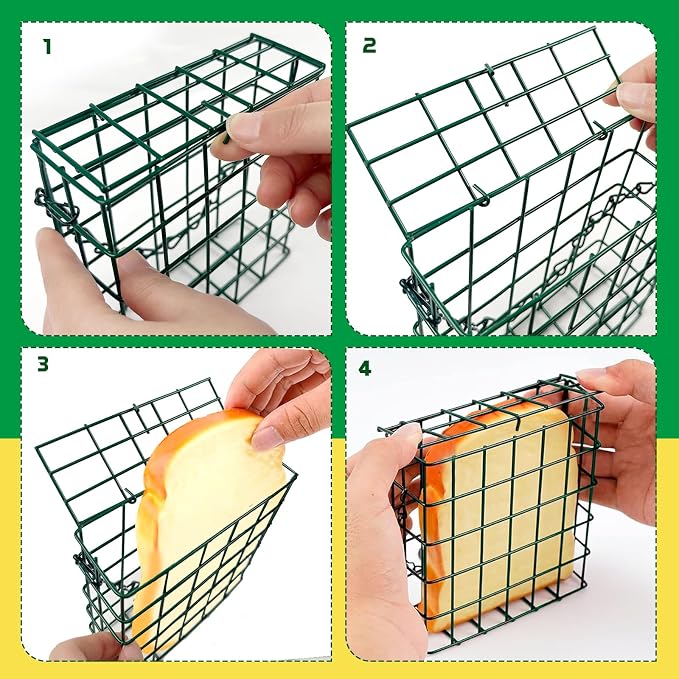
- Suet feeders: ideal for woodpeckers, nuthatches, and cold-weather energy.
- Hummingbird feeders: a summer favorite that needs frequent cleaning.
Placement Makes the Difference Between a Crowd and a No-Show
Even a high-quality feeder can sit untouched if it is in the wrong spot. Birds need to feel secure while they eat. Place feeders where birds have a quick escape route to trees or shrubs, but not so close that cats or other predators can hide directly beside the feeding area. A distance of roughly ten to twelve feet from cover is often a useful starting point.
Also think about visibility. A feeder near a window can provide wonderful viewing, but it should be close enough to the glass to reduce the risk of high-speed collisions—or far enough away that birds cannot build up dangerous momentum. Window decals, screens, and hanging cords can help make glass more visible.
A bird feeder is not just a decoration. It is a small outdoor service station, and placement determines whether it becomes a busy stop or a lonely ornament.
Quick placement checklist
- Keep feeders within reach for refilling and cleaning.
- Avoid spots exposed to constant strong wind.
- Use a squirrel baffle on poles or hang feeders from a sturdy line.
- Separate feeders slightly to reduce crowding and aggression.
Outdoor Accessories That Support the Whole Experience
Bird feeders are the centerpiece, but outdoor accessories make the setup more effective and easier to maintain. A bird bath provides drinking water and bathing opportunities, which can attract birds even when seed is scarce. A heated bird bath is especially valuable in freezing weather. Seed storage containers keep food dry and fresh, while a sturdy pole system or hanging bracket keeps feeders stable.
Squirrel baffles, seed trays, and weather guards are practical additions rather than luxuries. They reduce waste, protect food from rain, and make the feeding station cleaner. A small cleaning brush and a dedicated bucket for feeder maintenance may not look glamorous, but they are among the most important outdoor accessories you can own.
Accessory ideas at a glance
- Bird bath or water dish: fresh water for drinking and bathing.
- Squirrel baffle: protects seed and reduces frustration.
- Seed tray or catch tray: limits mess beneath feeders.
- Weather dome: keeps seed drier in rain and snow.
- Storage bin: keeps seed fresh and pest-resistant.
- Cleaning supplies: brush, gloves, and mild cleaner.
Keep It Clean, Safe, and Seasonal
A busy feeder is a healthy feeder only if it is cleaned regularly. Dirty feeders can spread disease among birds, so scrub them every few weeks—more often during warm, humid weather or when many birds are feeding. Replace soggy seed, clean bird baths frequently, and remove spoiled food promptly.
- Empty and scrub feeders with hot soapy water.
- Rinse thoroughly and allow them to dry completely.
- Refresh water in bird baths every few days.
- Adjust food and accessories with the seasons.
In winter, suet and high-energy seeds help birds endure cold nights. In summer, water and nectar feeders become more important, but they require extra cleaning. A flexible seasonal routine keeps the backyard station useful all year.
Build a Small System, Not a Random Collection
The most rewarding bird-feeding setups feel intentional. A tube feeder, a platform feeder, a suet cage, a bird bath, and a simple squirrel baffle can create a complete outdoor station without becoming a chore. Add a comfortable chair, a pair of binoculars, and a little patience, and the backyard becomes a front-row seat to daily wildlife activity.
Bird feeders and outdoor accessories do more than decorate a garden. They create a welcoming habitat, support local birds, and bring motion and color to everyday outdoor spaces. Start small, place thoughtfully, clean regularly, and let the visitors arrive.