A Practical Guide to Evening Glow and Solar Accents
When the sun drops below the fence line, a garden can either disappear into the dark or become a calm, layered retreat. Thoughtful Outdoor Lighting is less about brightness than about rhythm: a pool of light here, a gentle wash there, and a few small details that make the space feel intentional. The best setups feel relaxed, not overplanned.
Start With a Simple Evening Plan
Think in layers. Begin with the spots people actually use: the front walk, the back step, a favorite chair, and the edge of a flower bed. Then decide what each area needs. Some zones need clear guidance; others only need atmosphere.
- Safety layer: light steps, curves, and uneven ground.
- Mood layer: soften walls, fences, and seating corners.
- Accent layer: highlight a planter, statue, or small garden feature.
Good lighting does not flood a yard with brightness. It guides the eye, softens shadows, and gives the garden a sense of welcome.
Measure the path before you shop
Walk the route after dark with a flashlight. Note where shadows feel confusing and where a little glow would add comfort. This quick test prevents buying too many fixtures or placing them too close together.
Why Solar Pathway Lights Make Sense
For many yards, Solar Path Lights are an easy first step because they avoid trenching, wiring, and outdoor outlets. They collect daylight during the day and release a soft glow at night, which makes them practical for renters, weekend gardeners, and anyone who wants to test a layout before committing to a permanent system.
Installation is refreshingly simple. Push the stake into soft soil, angle the panel toward the sun, and leave enough space between fixtures for pools of light to breathe. A staggered pattern often looks more natural than a strict line.
- Place lights where they receive several hours of direct sun.
- Keep panels clear of leaves, mulch, and shadows from shrubs.
- Use fewer fixtures than you think you need, then add one or two if necessary.
Small Accents, Big Personality
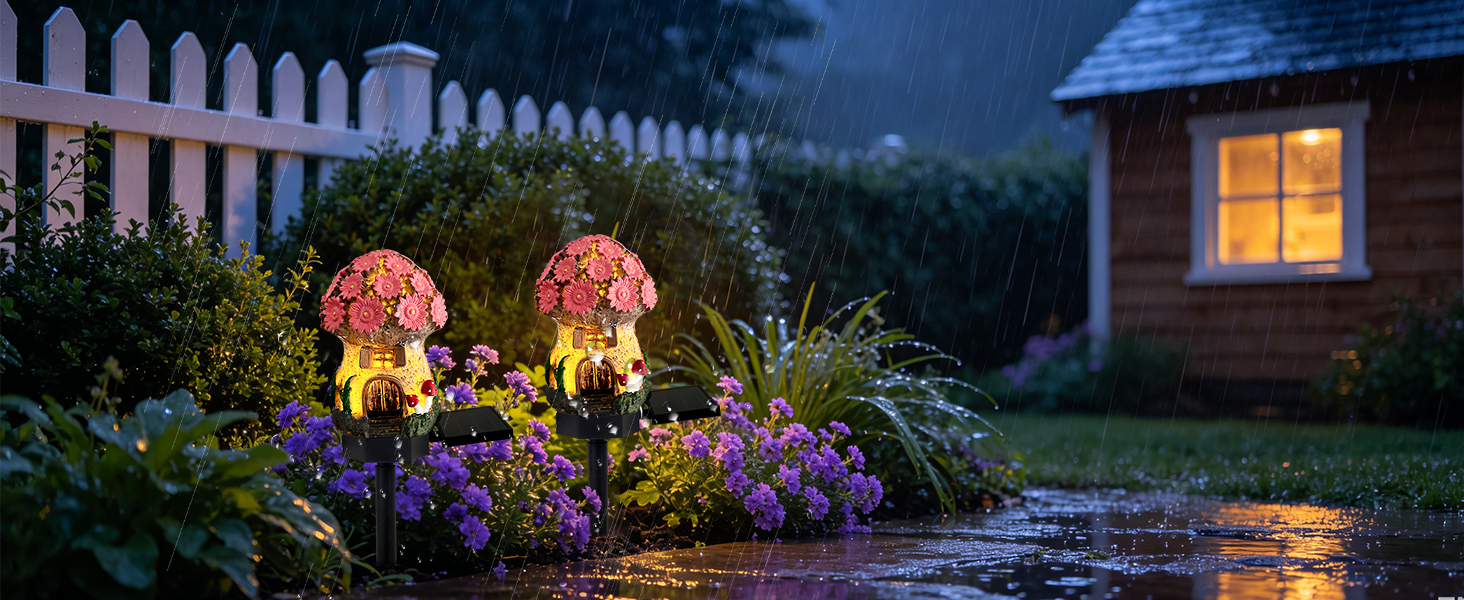
Not every light has to serve a practical route. Solar Figurine Lights add character without asking for wiring, and they work especially well in spots that already have a story: beside a potted fern, near a garden bench, or at the edge of a patio. A small glowing turtle, lantern, or abstract shape can make an otherwise ordinary corner feel collected and personal.
Where figurines work best
Choose locations where the accent can be discovered rather than announced. A figurine tucked near a stepping stone feels charming; five in a row can feel crowded. Group one larger piece with two smaller ones, or let a single figurine carry a quiet corner on its own.
Accent lighting should reward a second look. If it competes with the path, the trees, and the seating area all at once, it loses its charm.
Mix Warmth, Contrast, and Restraint
Solar fixtures are most effective when their light feels warm and low. Cool white light can look harsh against plants and wood, while a softer tone blends into evening shadows. If you combine Solar Path Lights with decorative pieces, keep the overall scene calm: one warm pool near the steps, one subtle glow near a feature, and darkness in between.
Contrast matters, too. A bright fixture beside a dark shrub creates drama, but too much contrast becomes visual noise. Step back from the garden and look at the whole picture. If every corner is glowing, nothing stands out.
For playful corners, Solar Figurine Lights can bridge the gap between decoration and function. Use them to mark a seating nook, welcome guests near a porch, or add a soft landmark at the end of a garden bed. The goal is not to light every inch; it is to make the evening feel comfortable and a little more memorable.
A Nightly Routine That Keeps the Glow Going
Clean panels regularly. Dust, pollen, and bird visits reduce performance more than most people expect. A quick wipe every week or two helps fixtures stay bright through the season.
Check after rain. Stakes can tilt, panels can collect debris, and mulch can shift. A short walk after a storm keeps the layout working as intended.
Seasonal adjustment is normal. In winter, panels may need a sunnier angle or a little more spacing. In summer, foliage can grow over a fixture without warning. Treat the layout as a living part of the garden, not a one-time project.
Final thought: The most inviting outdoor spaces rarely depend on the most equipment. They depend on a clear plan, a few well-placed solar fixtures, and the confidence to leave some areas gently dark. With a thoughtful mix of path lighting and small decorative accents, an ordinary yard can become a place worth lingering in after sunset.