Fluid Extractor, Oil Extractor Pump, and Fluid Transfer Pump: A Practical Guide to Cleaner, Faster Maintenance
Whether you are changing oil in a driveway, servicing a fleet, or maintaining marine engines, the right fluid-handling tool can turn a messy job into a controlled process. A fluid extractor, an oil extractor pump, and a fluid transfer pump are often mentioned together because they solve the same core problem: moving liquids safely, cleanly, and efficiently from one place to another. But they are not identical tools. Understanding how each one works—and where it shines—helps you buy with confidence and work with fewer spills.
Why These Three Tools Belong in the Same Conversation
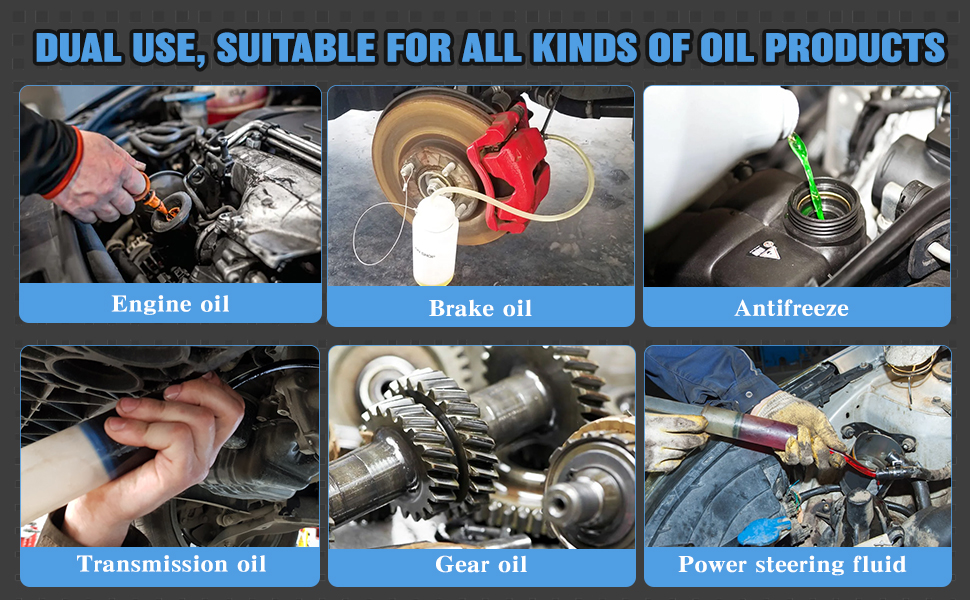
A fluid extractor is a vacuum-based device that pulls fluid out of a reservoir through a hose. An oil extractor pump is a specialized extractor designed for engine oil, often available in manual, pneumatic, or electric forms. A fluid transfer pump is a broader category: it moves fluids such as coolant, hydraulic oil, transmission fluid, diesel, or mild chemicals between containers and systems. In practice, the categories overlap. Many oil extractor pumps can also transfer other fluids, and many fluid transfer pumps can handle oil changes when paired with the right hoses and fittings.
The best tool is not always the most powerful one. It is the one that matches your fluid type, container height, viscosity, and workspace.
Fluid Extractors: The Clean-Hands Solution
Fluid extractors are popular because they remove liquids from above rather than below. Instead of crawling under a vehicle and removing a drain plug, you insert a extraction hose into the dipstick tube or fill port, create a vacuum, and let the fluid flow into a sealed tank. This reduces contact with hot oil, minimizes drips, and keeps the work area tidy. Extractors are especially useful for engines with top-mounted oil filters, marine engines, lawn equipment, and vehicles where the drain plug is difficult to reach.
Capacity matters. A small 2-liter extractor may be enough for a motorcycle or generator, while a 6- to 10-liter model is better for passenger cars and light trucks. Also check hose diameter and length. A flexible hose that reaches the bottom of the oil pan helps ensure a complete extraction, but it must be stiff enough not to coil upward inside the sump.
Oil Extractor Pumps: Manual, Pneumatic, or Electric?
An oil extractor pump is the workhorse of clean oil changes. Manual pumps use a hand lever or piston to create vacuum; they are affordable, portable, and ideal for occasional use. Pneumatic models connect to an air compressor and generate strong suction quickly, making them a good fit for busy shops. Electric oil extractor pumps offer one-button operation and consistent power, but they cost more and require a power source.
When comparing models, look beyond tank size. Consider oil viscosity and temperature. Warm oil flows faster and extracts more completely, but the pump and hoses must be rated for the temperature. Check the vacuum gauge, if included, and the quality of the seals. A pump that loses vacuum midway through a job can leave fluid stranded in the pan or make a simple oil change take twice as long.
Fluid Transfer Pumps: More Than Just Oil
A fluid transfer pump is a broader tool for moving liquids between containers, systems, and equipment. It may be used for coolant, hydraulic fluid, transmission fluid, diesel, water, or mild cleaning solutions. Some transfer pumps are rotary hand pumps, some are electric, and some are designed as part of a pressurized extraction system. The key is compatibility: the pump body, seals, and hoses must resist the fluid being moved.
Do not assume one pump handles everything. Brake fluid, for example, can damage certain plastics and rubber seals, and gasoline requires fuel-rated equipment with proper grounding and fire safety precautions. For workshop use, a dedicated oil transfer pump and a separate coolant transfer pump can reduce cross-contamination and simplify cleanup.
How to Choose the Right Setup
- Capacity: Match the tank to the largest fluid change you expect to perform.
- Power source: Choose manual for portability, pneumatic for shop air, or electric for speed and convenience.
- Fluid compatibility: Confirm that hoses, seals, and tank materials are rated for the fluids you will use.
- Hose reach: Measure the dipstick tube and reservoir depth before buying.
- Cleanup: Look for wide fill openings, removable hoses, and secure caps.
A Simple Workflow for Clean Fluid Changes
- Warm the engine or system slightly so the fluid flows more freely.
- Park on a level surface and set the parking brake.
- Connect the extraction hose securely and create vacuum.
- Watch the flow and adjust the hose depth if needed.
- Measure the removed fluid and compare it with the specified capacity.
- Dispose of the used fluid at an approved recycling center.
Maintenance and Safety Notes
Clean hoses after each use, inspect seals for cracks, and store the pump with the tank vented according to the manufacturer’s instructions. Label containers clearly, and never mix used fluids. When working with flammable liquids, use only equipment designed for that purpose and keep ignition sources away. A well-maintained fluid extractor or fluid transfer pump can last for years, but worn O-rings and brittle hoses are common failure points.
Final takeaway: choose a fluid extractor for clean top-side removal, an oil extractor pump for repeatable oil changes, and a fluid transfer pump for broader fluid movement. When these tools match your tasks, maintenance becomes faster, cleaner, and far less frustrating.